Ancient City of Polonnaruwa
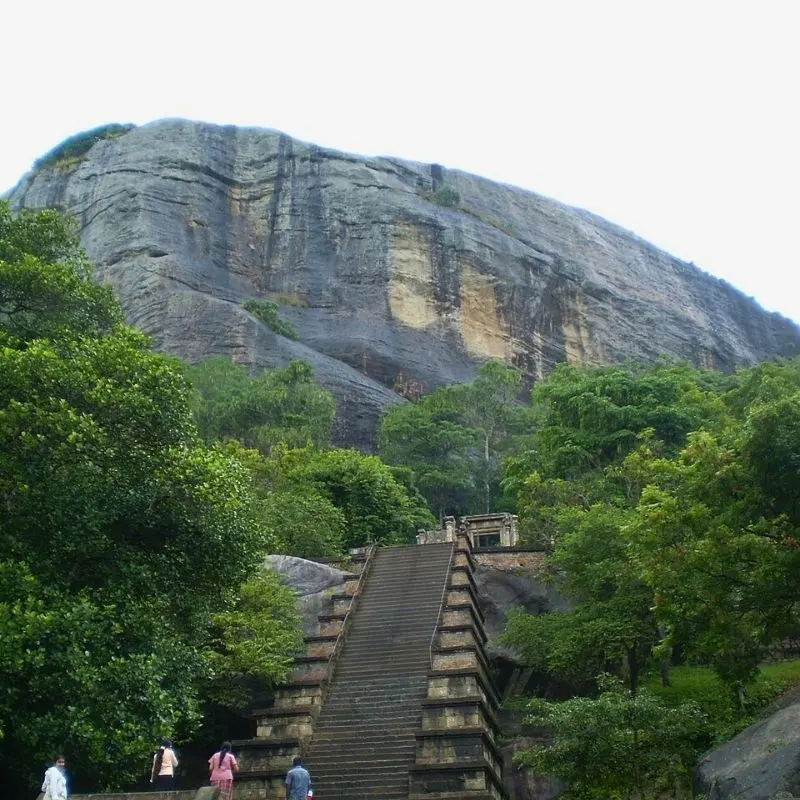
Ancient City of Polonnaruwa, a captivating UNESCO World Heritage site tucked away in the heart of Sri Lanka’s cultural triangle. This historic destination is not just a collection of old rocks; it is a living testament to a golden era of Sri Lankan history. As the island’s second ancient capital, Polonnaruwa rose to power in the 11th century after the fall of Anuradhapura. Under the vision of powerful rulers like King Parakramabahu the Great, it grew into a thriving, self-sufficient metropolis. From massive, man-made inland seas to highly sophisticated water systems and breathtaking rock temples, this city was far ahead of its time. Today, it stands as one of the top travel destinations in Sri Lanka for history buffs, spiritual travelers, and nature lovers alike. Walking or cycling through its shaded pathways feels like walking through history, where every carved stone has a story to tell.
Top Experiences in Ancient City of Polonnaruwa
Cycling Through the Ancient Ruins
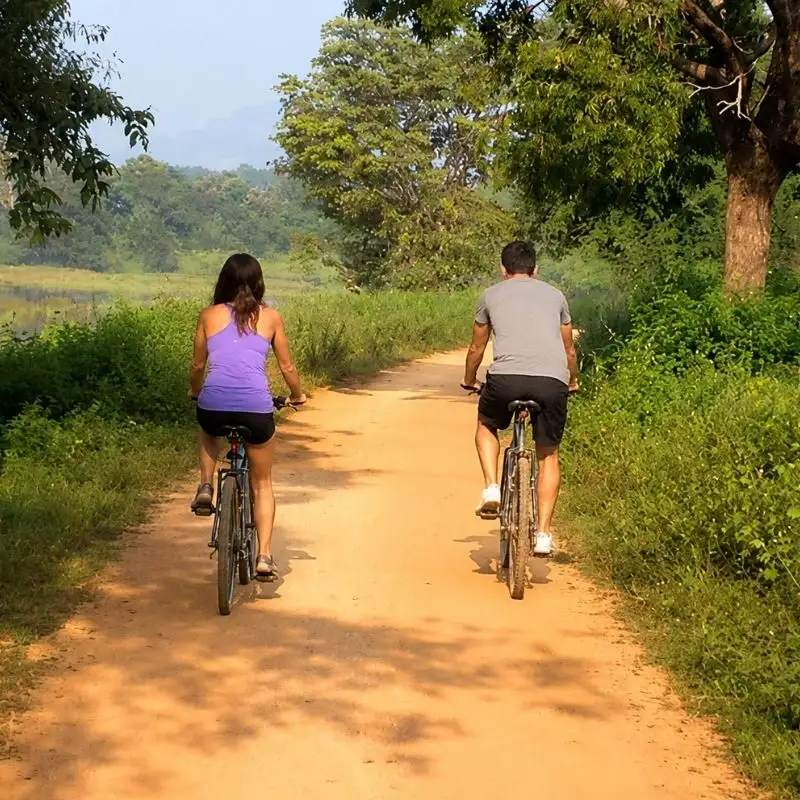
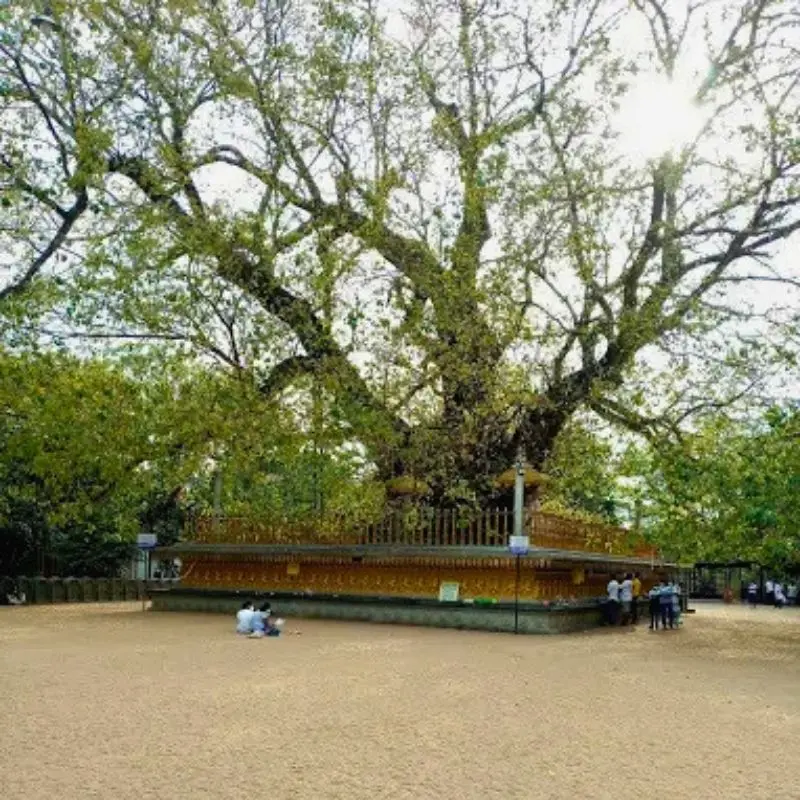
The best way to experience Polonnaruwa is on two wheels. You can rent a vintage bicycle for a few dollars and ride along the flat, shaded dirt paths that connect the monuments. Cycling lets you move at your own pace, stop under giant banyan trees, and easily explore the hidden corners of the massive park.

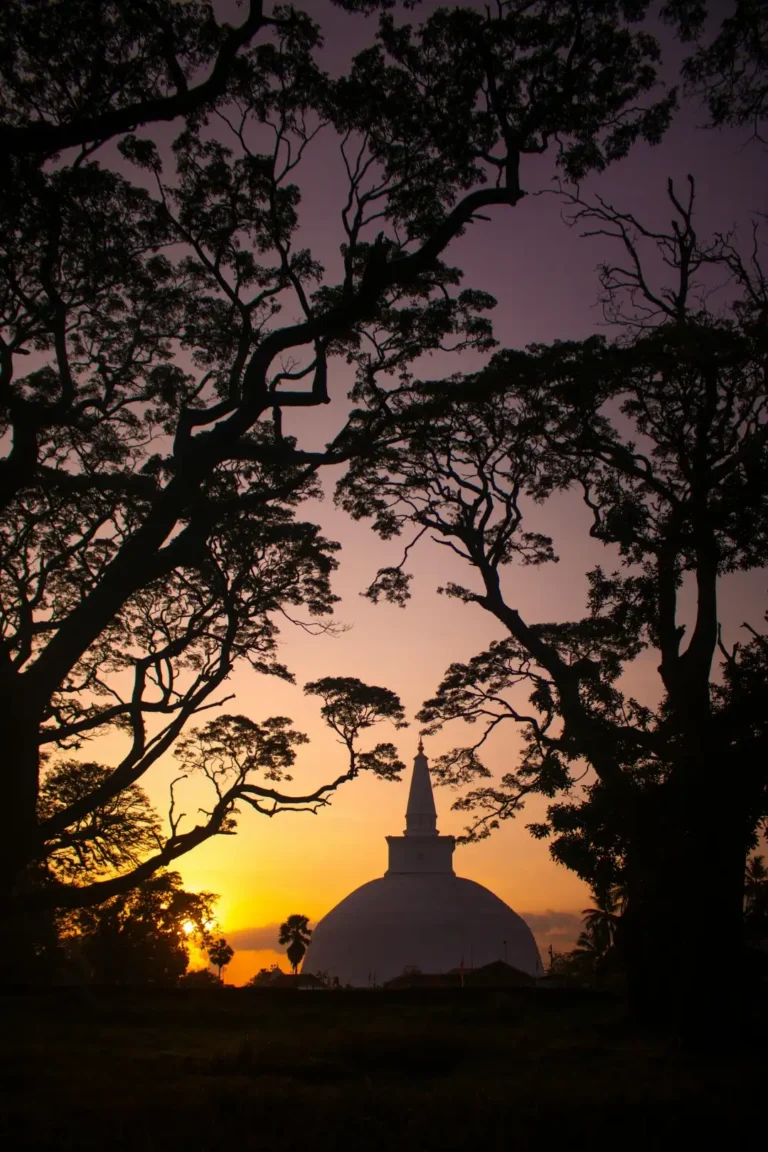
Sunset Walk by the Sea of Parakrama
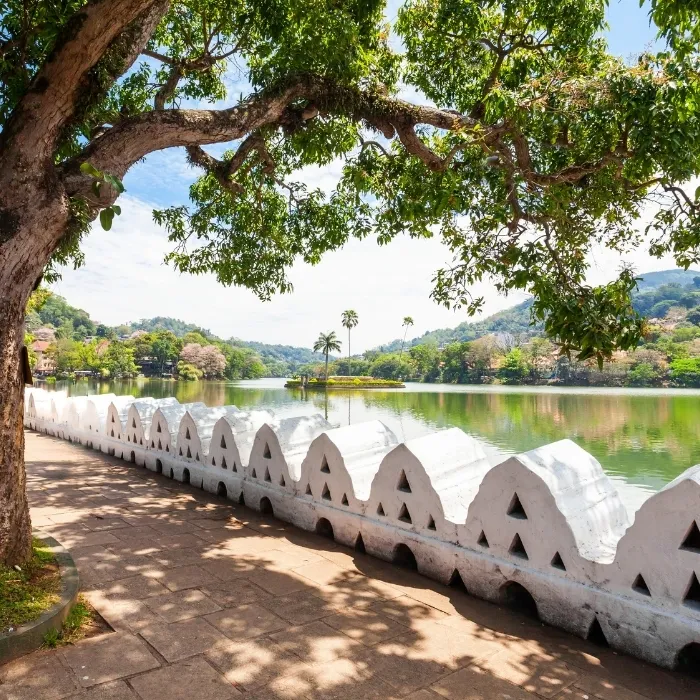
End your day of sightseeing with a peaceful walk along the banks of the Parakrama Samudra reservoir. The breeze blowing off the water creates a natural cooling effect. Watching the golden sun sink into this massive, 800-year-old man-made lake while local fishermen cast their nets is pure magic.

Spotting the Wildlife and "Monkey Kingdom"
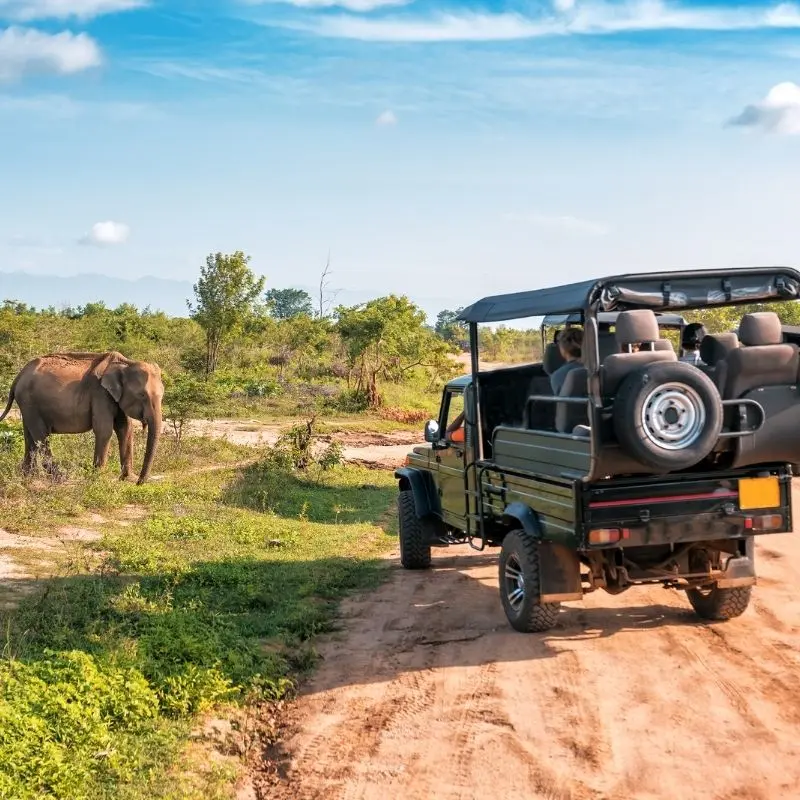
Polonnaruwa is teeming with wildlife, especially monkeys. It is home to large troops of Toque Macaques, Grey Langurs, and Purple-faced Leaf Monkeys. These very monkeys were the stars of Disney’s famous Monkey Kingdom documentary! You will see them playing, grooming, and leaping across the ancient ruins.

Sampling Authentic Rice and Curry at a Local Village
After hours of exploring, sit down for a traditional Sri Lankan buffet lunch cooked in clay pots over open wood fires. Polonnaruwa is famous for its farming, meaning you will get to taste fresh, organic lake fish, local red rice, and unique vegetable curries like jackfruit and gotu kola.
Discover Ancient City of Polonnaruwa
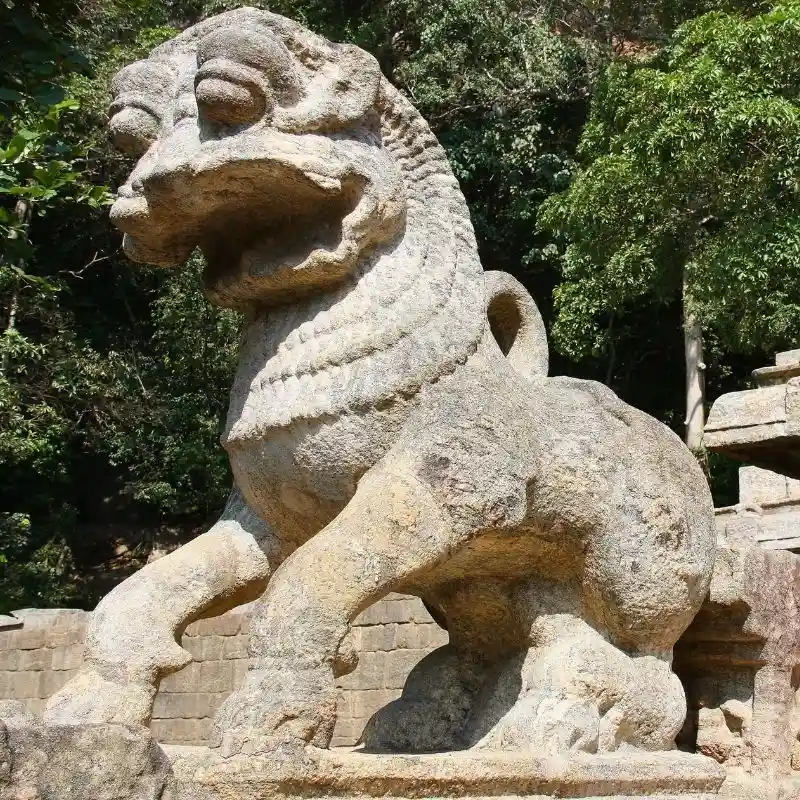
Spanning across several square kilometers of beautifully preserved parkland, the archaeological park of Polonnaruwa is divided into clear zones, including the Royal Palace complex, the Sacred Quadrangle, and the northern monastery ruins. Unlike many ancient sites that feel distant and closed off, Polonnaruwa allows you to get up close to its history. You can wander through the remnants of a seven-story brick palace, admire beautifully carved moonstones (decorative stepping stones), and stand in awe before soaring brick stupas.
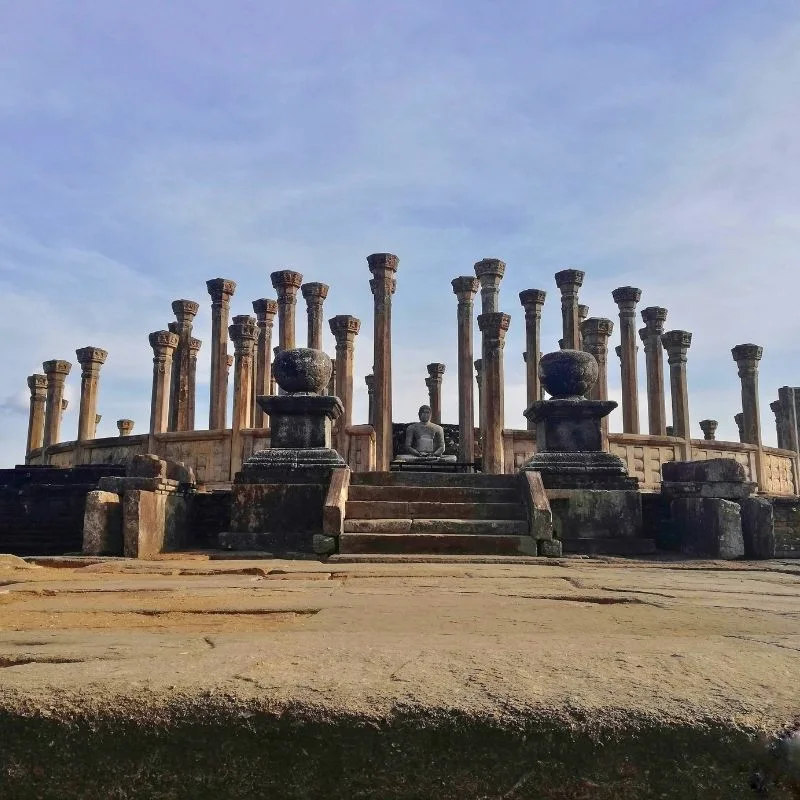
The layout of the city was a masterpiece of urban planning. To the west, the city was guarded and cooled by the Parakrama Samudra, a massive reservoir so vast it looks like an ocean. The ancient builders used an incredible mix of local granite and clay bricks, creating unique architectural structures like the Vatadage (a circular relic house) that you won't find anywhere else in the world. As you explore, you will also notice a heavy South Indian Hindu influence alongside the grand Buddhist monuments. This is because the city was briefly ruled by the Chola invaders before the Sinhalese kings reclaimed it, leaving behind beautiful stone Shiva temples that still stand intact today.
Highlights
- Gal Vihara (The Rock Temple) This is the crown jewel of Polonnaruwa. It features four magnificent, colossal Buddha statues carved directly out of a single face of a granite rock. The 14-meter-long reclining Buddha and the standing Buddha with crossed arms show an unbelievable level of artistic detail and calmness.
- The Vatadage (Circular Relic House) Located in the Sacred Quadrangle, this unique circular structure features beautifully detailed stone carvings, guard stones, and a small central stupa guarded by four seated stone Buddhas facing the four cardinal directions.
- Royal Palace of King Parakramabahu Once a towering seven-story building with hundreds of rooms, the remaining massive brick walls still give you a sense of how grand and luxurious the royal court used to be. Nearby, you can also see the king's royal bathing pool with stone crocodile waterspouts.
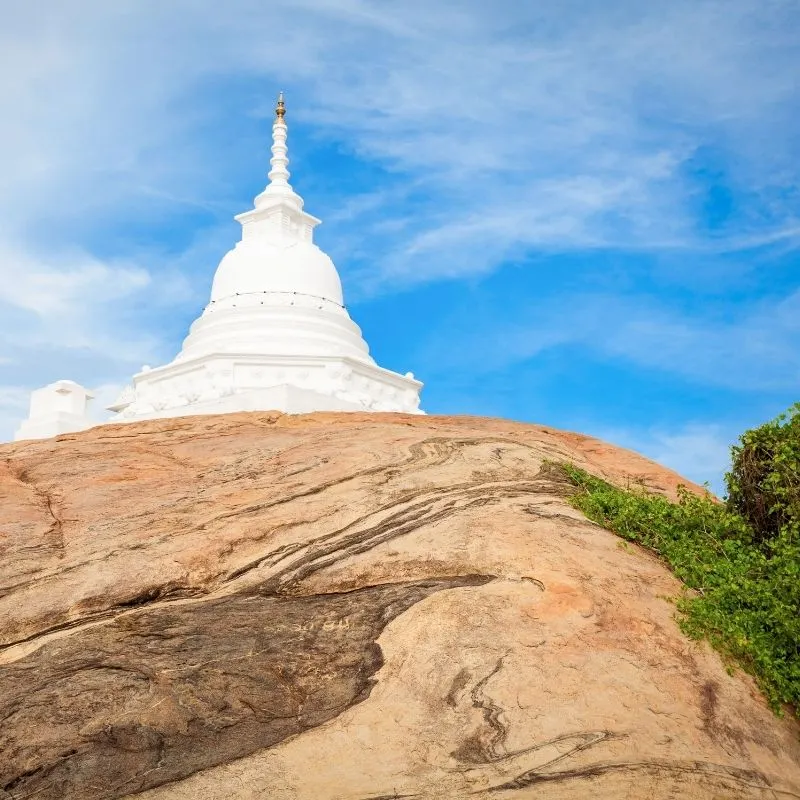
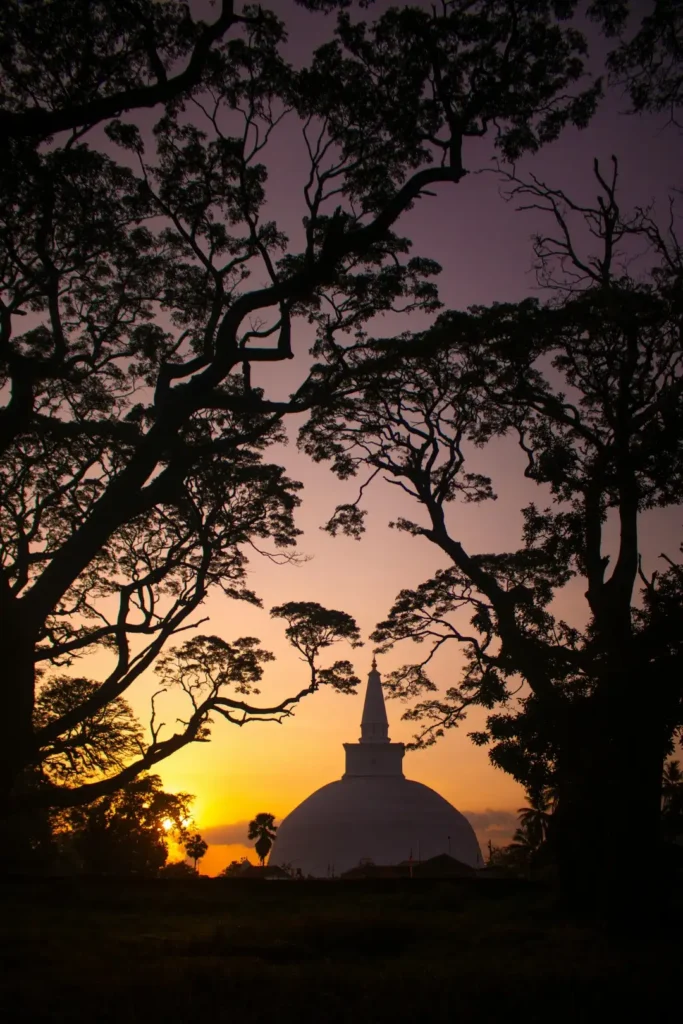
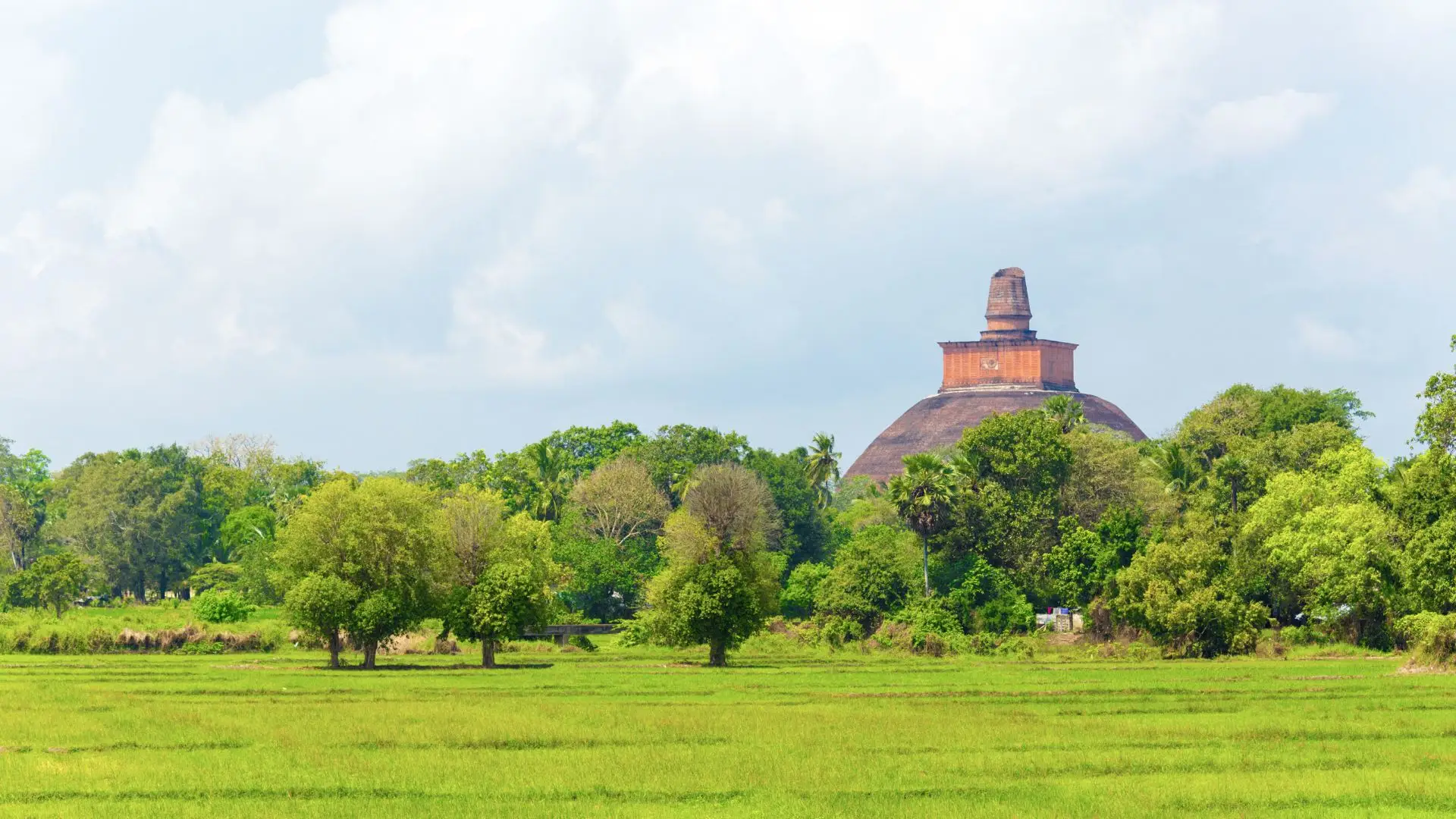
- Rankot Vihara Standing at an impressive 55 meters (180 feet) tall, this enormous red-brick stupa is the largest in Polonnaruwa. Its massive dome is a striking sight against the bright blue sky and the surrounding green forest.
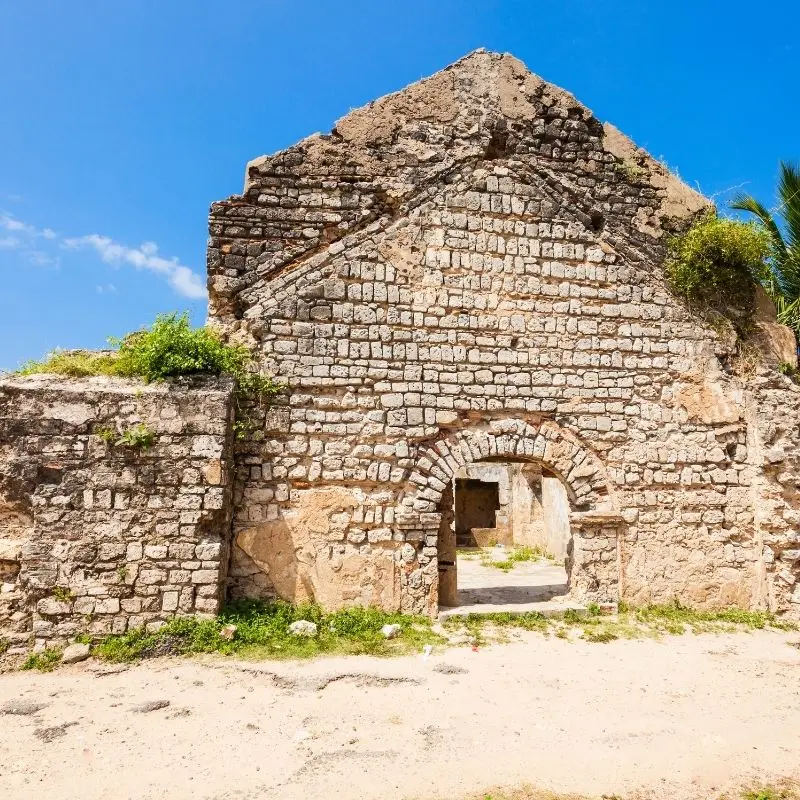
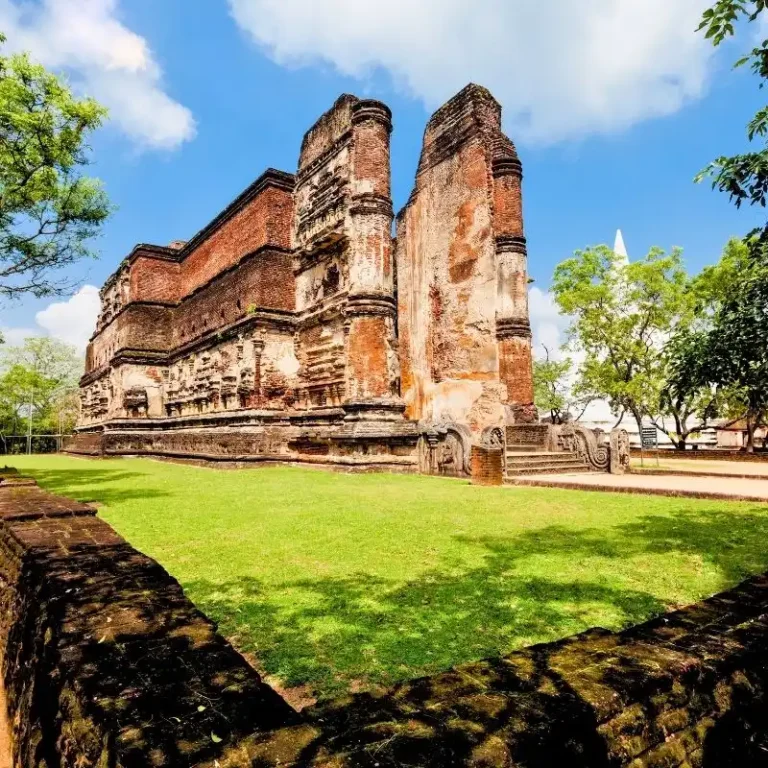
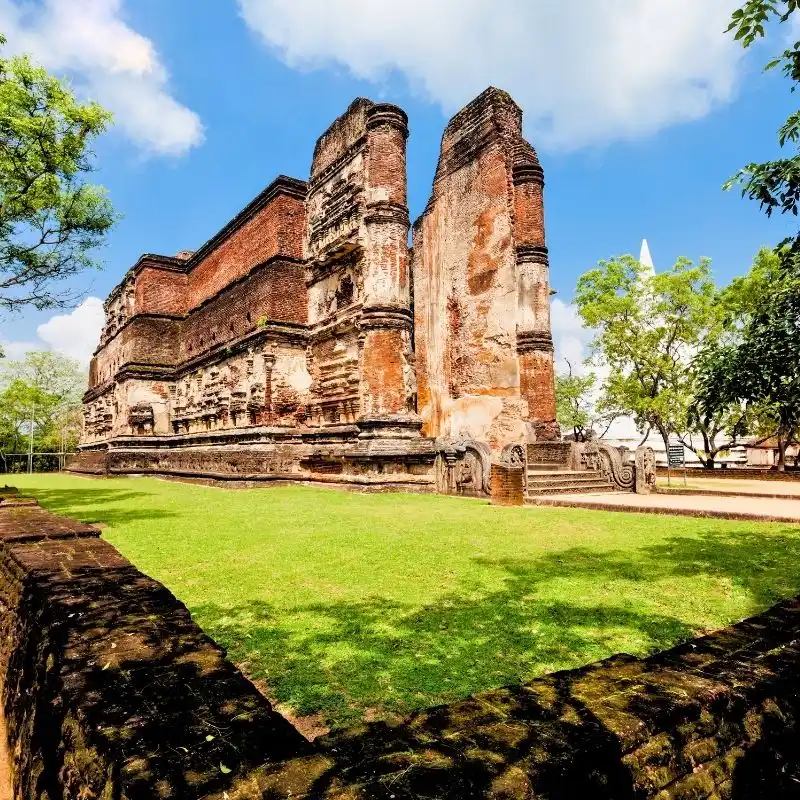
- Lankatilaka Image House An absolute architectural wonder, this cathedral-like structure features towering brick walls that rise 17 meters high. Inside the narrow walkway stands a massive, though now headless, standing Buddha statue that leaves visitors speechless.
At a Glance
-
Best Time to Visit
May to September
-
Ideal For
History & Archaeology Buffs,Cultural Travelers & Pilgrims,Families & Slow Travelers,Wildlife Photographers
-
Nearby Destinations
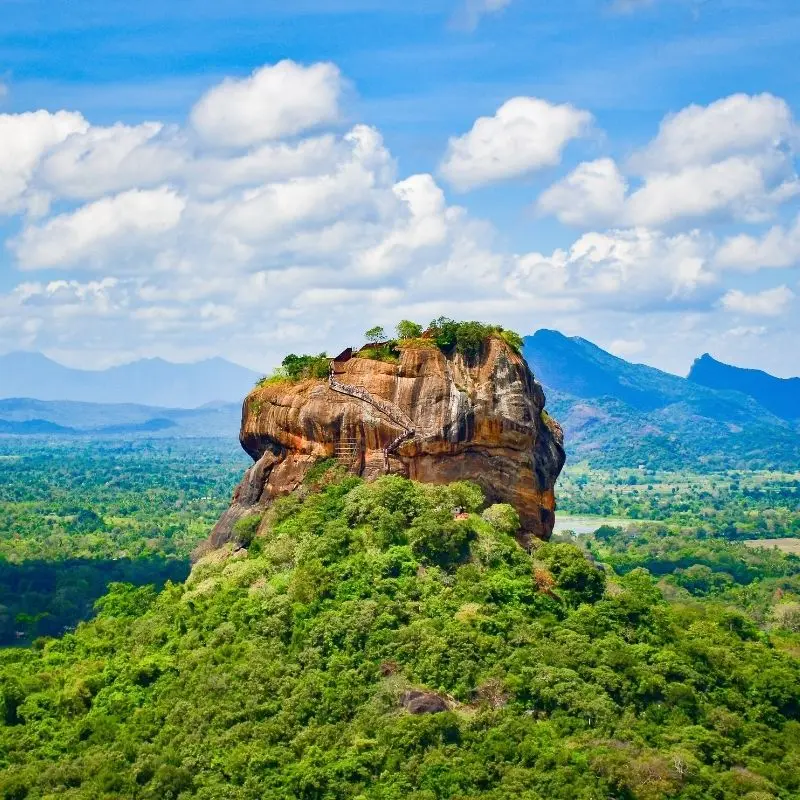
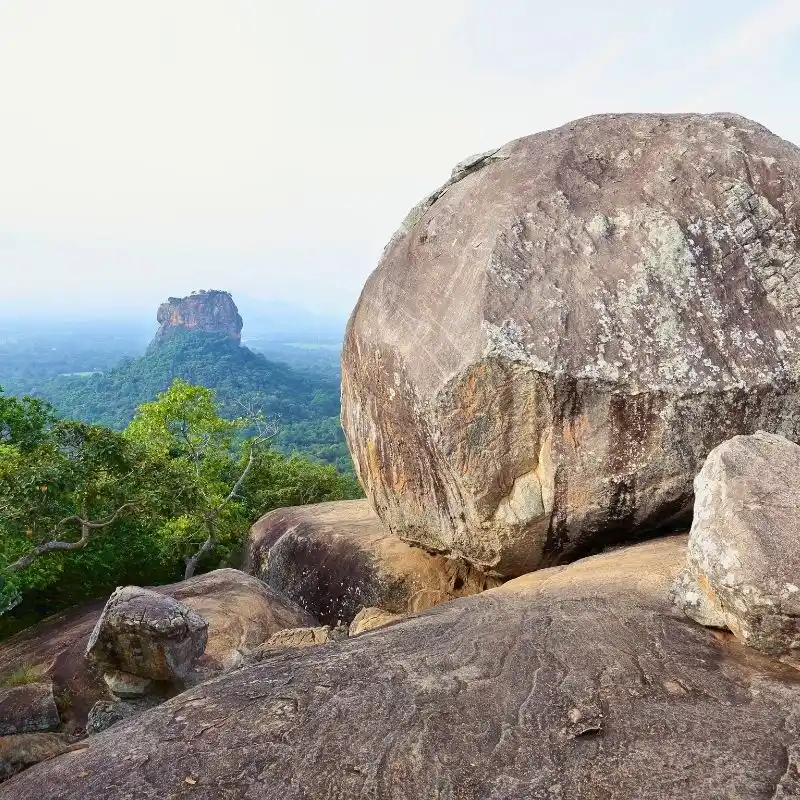
Sigiriya & Dambulla,Minneriya & Kaudulla National Parks,Anuradhapura,Pasikuda