
Horton Plains National Park
Welcome to Horton Plains National Park, a breathtaking protected area nestled in the central highlands of Sri Lanka. Known locally as "Maha-Eliya Tenna" (the great open plains), this extraordinary plateau stands out as one of the most scenic and ecologically vital destinations on the island. Unlike the warm, sun-kissed beaches and tropical rainforests that Sri Lanka is famous for, Horton Plains offers a completely different world. Here, you will find crisp mountain air, sweeping grasslands, eerie cloud forests, and hidden waterfalls often wrapped in a blanket of soft morning mist. In 2010, its immense biodiversity and outstanding natural beauty earned it a well-deserved spot as a UNESCO World Heritage Site. For travelers who love hiking, wildlife photography, or simply escaping into deep, quiet nature, Horton Plains is an absolute paradise. The park serves as a massive natural water tower, giving birth to three of the country's most major rivers. Walking along its quiet paths, you will quickly understand why this unique highland wilderness captures the heart of every explorer who visits.
Top Experiences in Horton Plains National Park

Hiking the Famous World’s End Loop Trail
A rewarding 9.5-kilometer circular walk that takes you across open plains and through cloud forests. The path is well-marked and relatively flat, making it an enjoyable trek for most fitness levels.
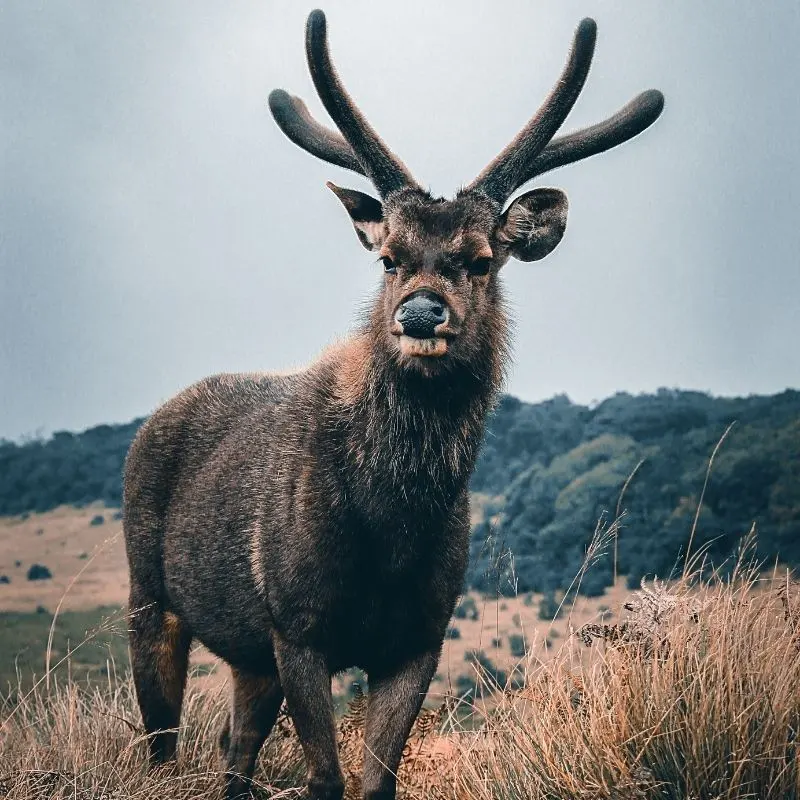
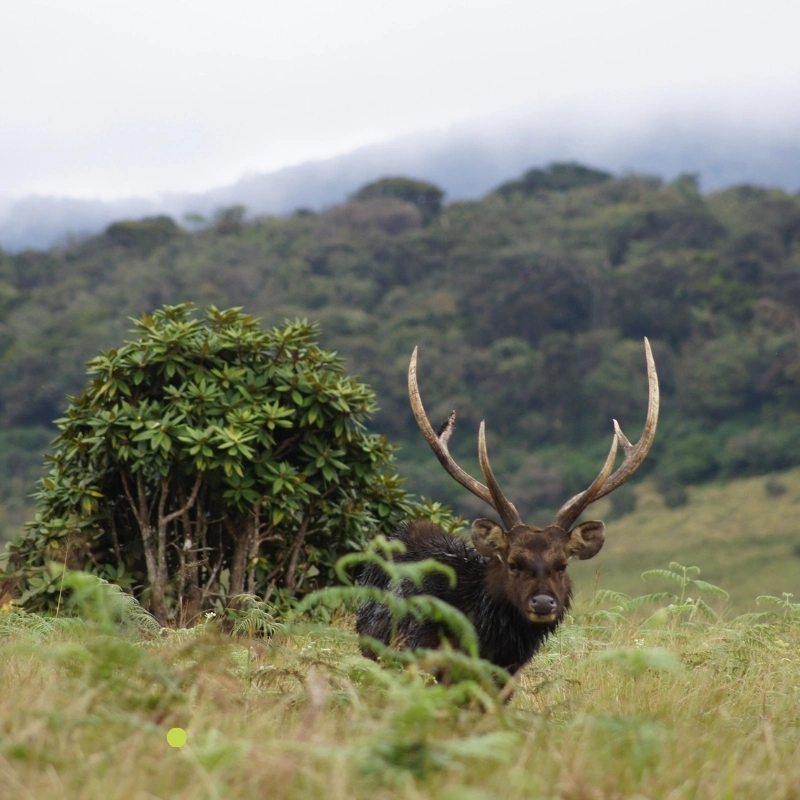
Spotting Giant Sambar Deer at Dawn
Arrive at the park just as the gates open to catch glimpses of majestic Sambar deer grazing peacefully in the misty grasslands, completely unbothered by human presence.

Birdwatching for Rare Endemic Species
A dream come true for bird lovers. Keep your eyes peeled and your camera ready to spot rare local birds like the colorful Sri Lanka Blue Magpie, the Dull-blue Flycatcher, and the Sri Lanka Whistling Thrush.

Chasing the Cool Mists of Baker’s Falls
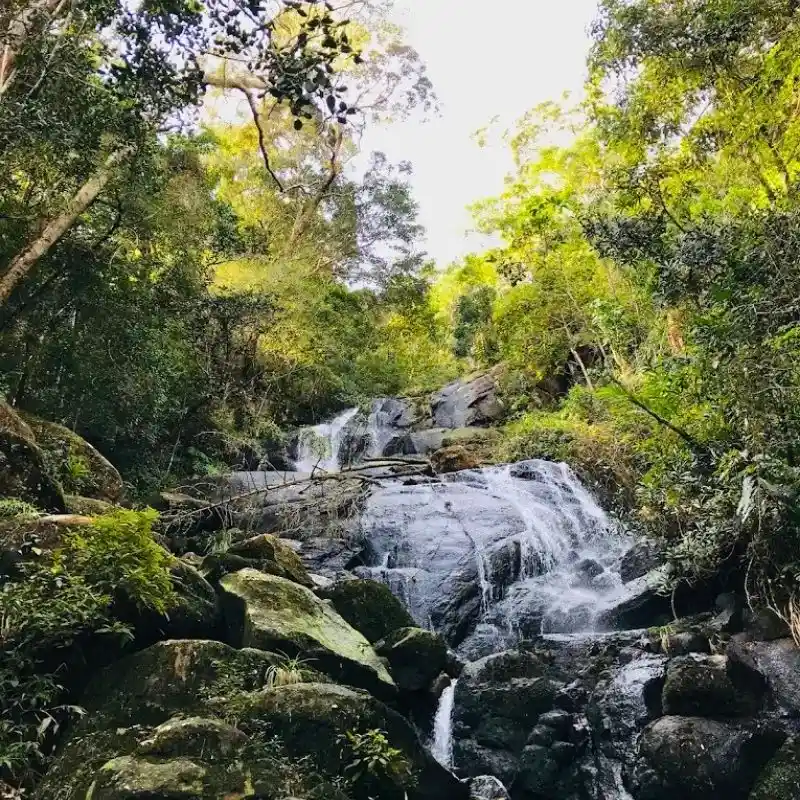
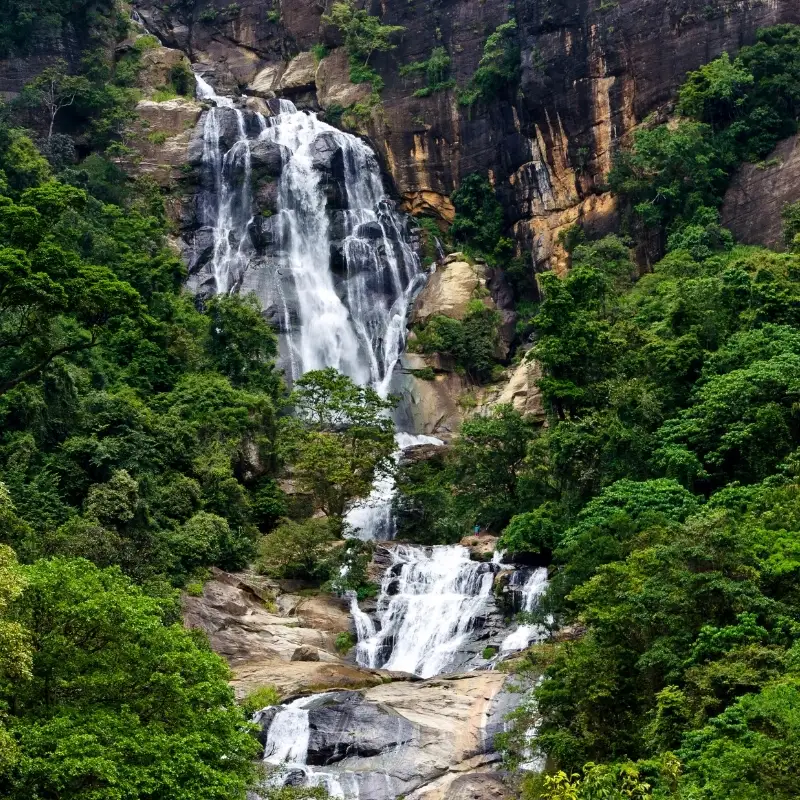
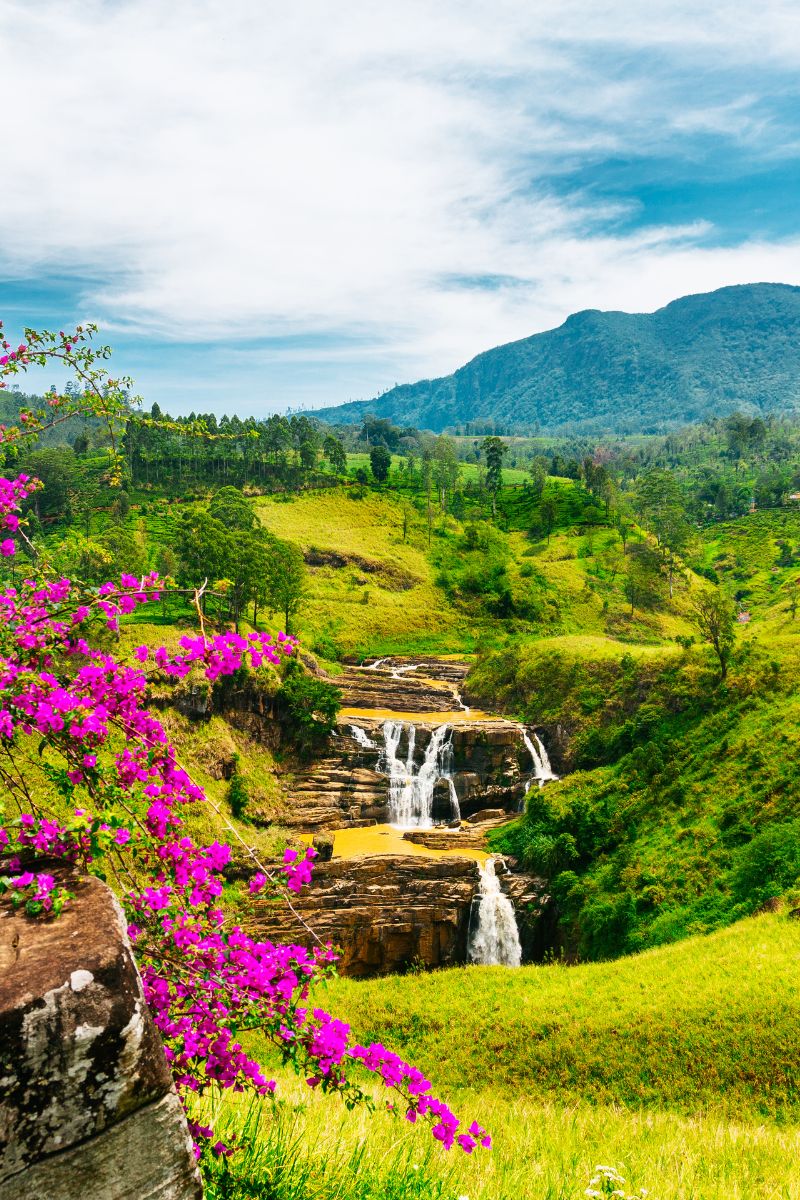
Follow a flight of rustic stairs down into a lush forest valley to view this famous 20-meter-high waterfall, named after the British explorer Sir Samuel Baker. The refreshing spray of water is incredibly revitalizing midway through your hike.
Discover Horton Plains National Park
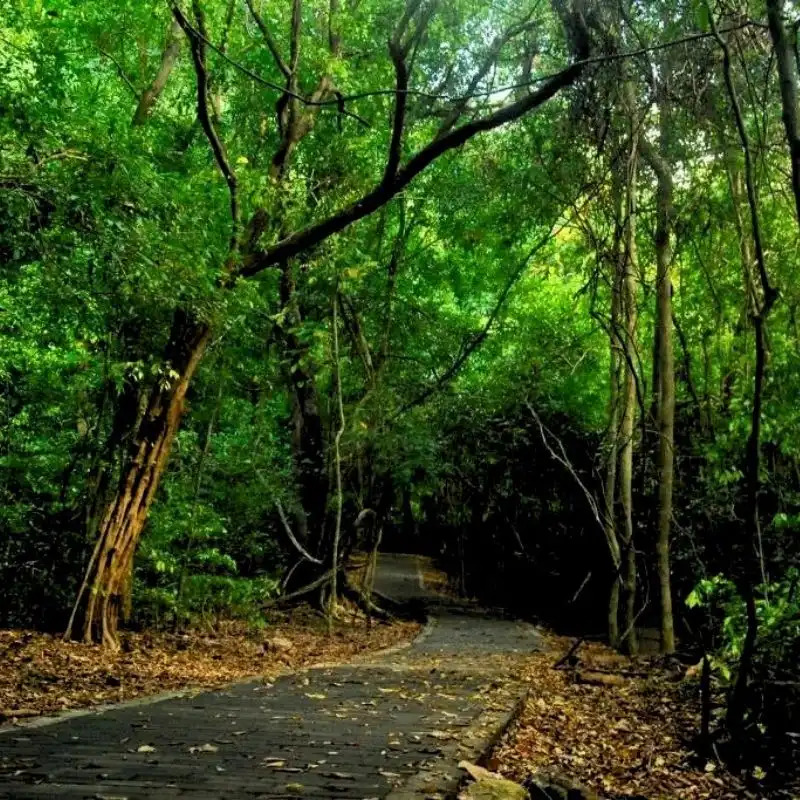
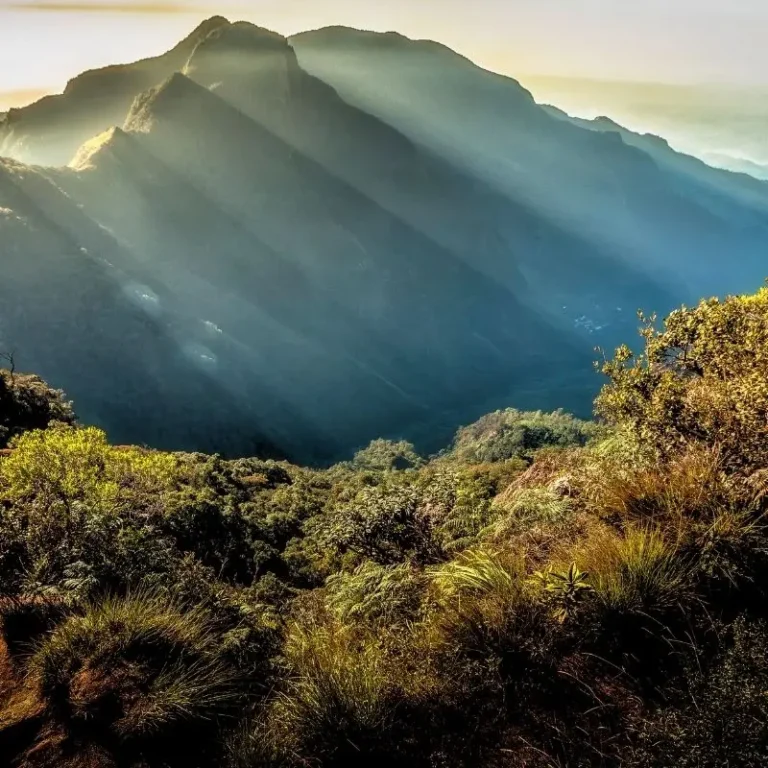
Horton Plains National Park stretches across more than 3,160 hectares of high-altitude tableland. The landscape is beautifully split into two distinct ecosystems: vast, rolling montane grasslands and dense, sub-tropical evergreen cloud forests. Because of its extreme isolation and cold climate, the park has become a sanctuary for plants and animals that cannot be found anywhere else on Earth. The trees here grow short and twisted, covered in thick mosses, wild orchids, and lichens that thrive on the constant moisture from the heavy clouds.
As you trek through the loop trail, the scenery changes dramatically around every corner. You will cross crystal-clear streams, walk past calm marshlands, and move between sunlit open plains and dark, mysterious forest tunnels. The park is home to a rich array of wildlife. It is incredibly famous for its friendly herds of Sambar deer, which often graze near the park entrance. It also provides shelter to rare animals like the highland leopard, the purple-faced langur, and over 20 species of birds that are endemic to Sri Lanka. This makes the park a key biodiversity hotspot and a living museum of nature.
Highlights
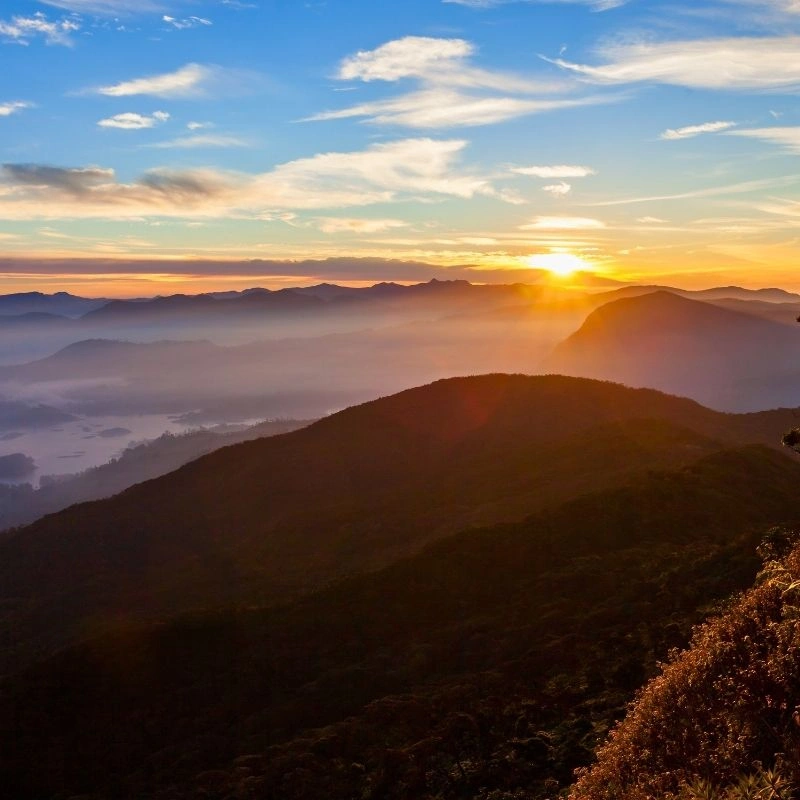
- World’s End Viewpoint: A jaw-dropping, vertical cliff that drops nearly 870 meters straight down. On a clear morning, you can see all the way down to distant tea estates, villages, and even the southern coastline.
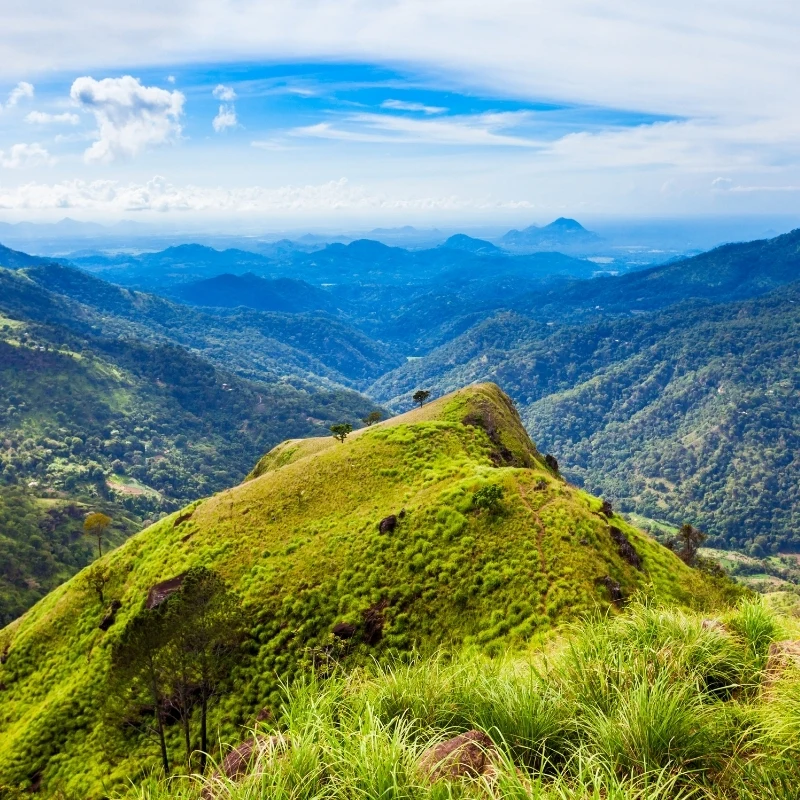
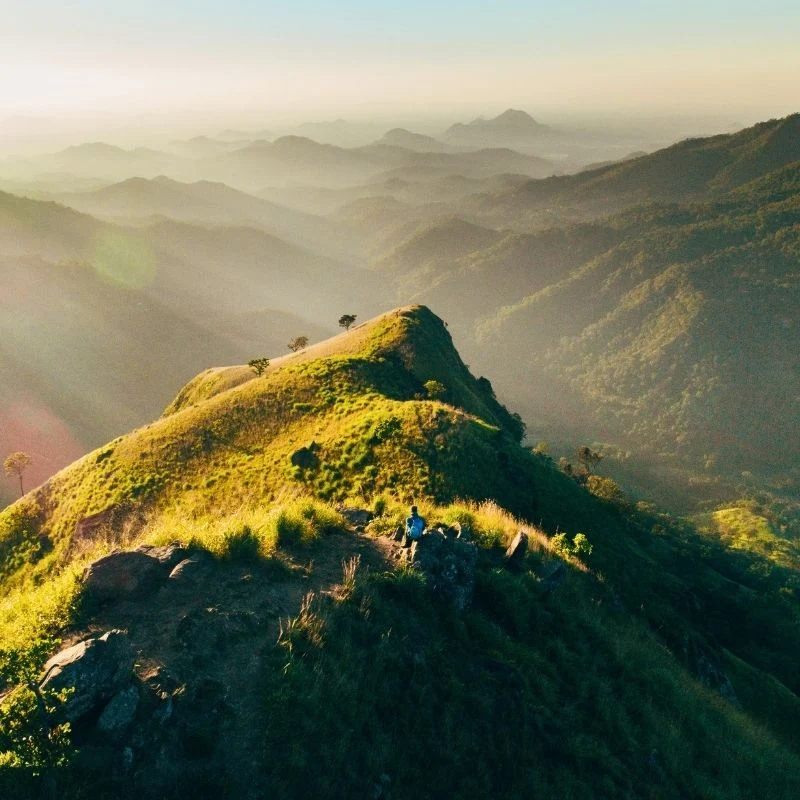
- Mini World’s End: Located a bit earlier on the trail, this smaller cliff features a 270-meter drop. It offers a fantastic, less crowded spot to take panoramic photos of the valley below.
- Baker’s Falls: A stunning, multi-tiered cascade surrounded by giant ferns and deep green foliage, providing a perfect rest stop during the trek.
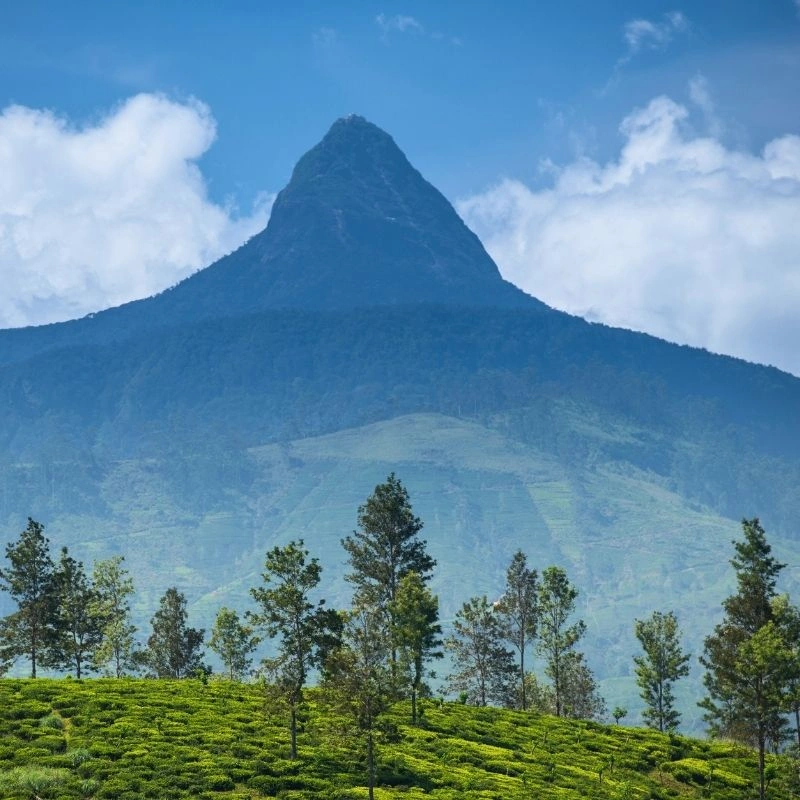
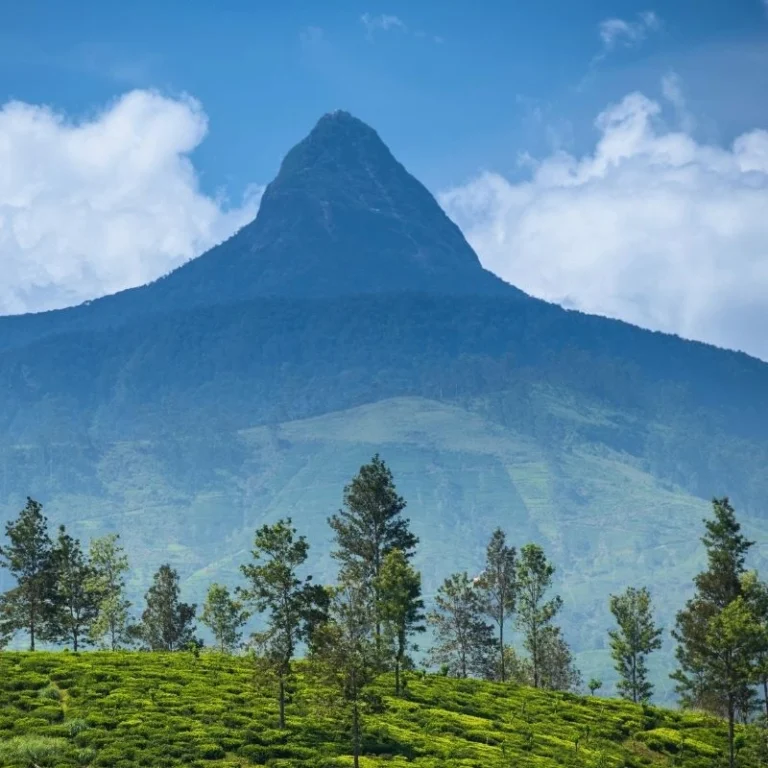
- Thotupola Kanda and Kirigalpotta Peaks: The majestic mountain backdrops framing the plains. Adventurous hikers can book separate guided treks to scale these towering peaks.
- The Cloud Forests: An enchanting forest ecosystem where moisture-loving plants, dwarf bamboo, old mossy trees, and wild orchids create a magical, fairy-tale atmosphere.
At a Glance
-
Best Time to Visit
January to March
-
Ideal For
Nature Lovers and Eco-Tourists,Hikers and Walkers,Photographers
-
Nearby Destinations
Nuwara Eliya ("Little England"),Ohiya,Ella,Ambewela Farm